


What is Groupage Shipping?
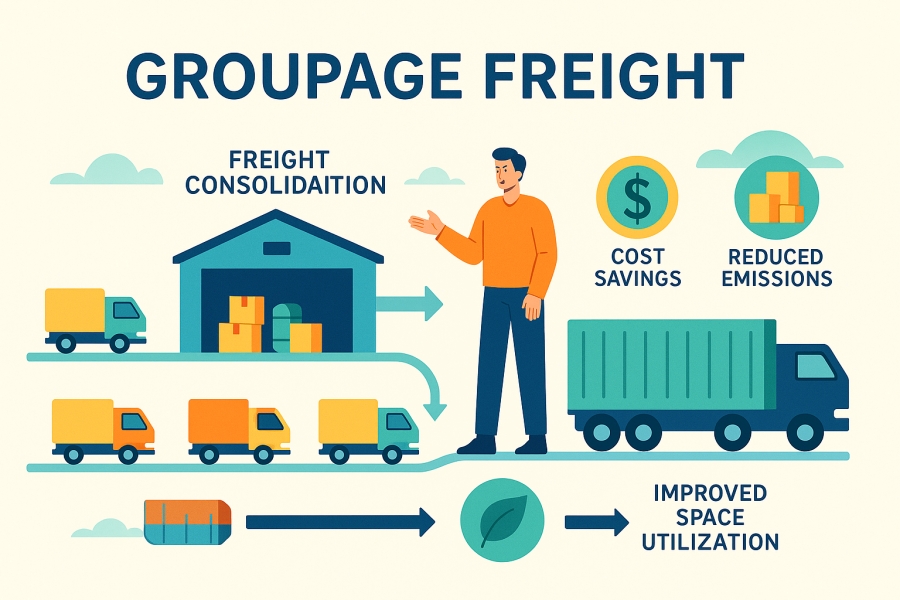
Groupage freight is a cost-effective shipping method designed for businesses that need to transport small loads without paying for a full truckload. In simple terms, groupage shipping means combining several smaller shipments from different customers into one consolidated shipment.This freight consolidation helps optimize shipping costs and improve logistics efficiency. Unlike full truckload (FTL) shipping, groupage allows companies to share trailer space, making it an ideal solution for those looking to ship small loads cost-effectively.
How Groupage Freight Works: Step-by-Step Process
Groupage freight offers a cost-efficient way to ship small loads by consolidating them into a single shipment. Here’s a typical step-by-step overview of how this process works:
- Searching for and Selecting a Provider:
The first step is finding a freight forwarder specialized in groupage transport. Choosing the best groupage freight services ensures reliable handling, scheduling, and competitive pricing. - Shipment Collection:
Once the provider is selected, the freight forwarder or logistics company arranges to pick up individual shipments from customers or designated drop-off points and transports them to a central consolidation warehouse. - Sorting and Consolidation:
At the warehouse, shipments are carefully sorted by destination and type. Freight consolidation occurs here, combining compatible packages into one larger shipment to optimize space and reduce costs. - Packaging and Labeling:
Consolidated shipments are securely packaged and labeled to facilitate groupage tracking and prevent mix-ups during transit. - Loading and Transport:
Shipments are loaded into shared trailers or containers, maximizing vehicle utilization and benefiting from shared trailer shipping advantages. Scheduled groupage services help coordinate timely departures, whether by road, sea, or air. - Delivery and Final Distribution:
Upon arrival at the destination hub, the consolidated shipment is unloaded and separated for last-mile delivery to each customer.
Groupage Freight vs. FCL and LCL: A Comparison
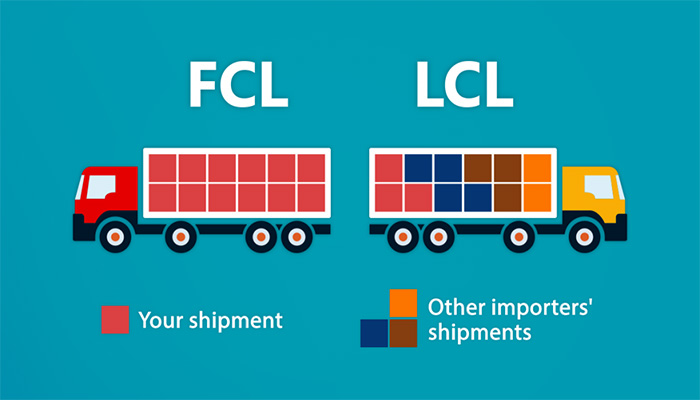
Groupage freight involves consolidating multiple small shipments into one shared load, ideal for businesses with limited cargo. Full Container Load (FCL) means renting an entire container exclusively, best suited for large shipments. Less than Container Load (LCL) is similar to groupage but specifically refers to sharing sea containers.
While FCL offers faster transit and less handling, it’s costlier for small shipments. LCL and groupage provide freight cost optimization by sharing space, but groupage often extends beyond sea freight to include road and air transport. Choosing between these depends on shipment size, budget, and delivery timelines.
How Groupage Freight Cuts Your Shipping Costs
Groupage freight cuts your shipping costs by combining small shipments from different customers into one consolidated load. This sharing of space means you only pay for the portion your cargo occupies, not an entire truck or container.
Freight consolidation optimizes vehicle usage, cutting fuel expenses and lowering environmental impact.
Advantages of Groupage Freight
- Freight Cost Optimization: Combining several small shipments into one load allows freight fee to be shared, making it more affordable to ship small volumes.
- Efficient Space Utilization: Groupage maximizes truck or container space, reducing wasted capacity and lowering overall shipping expenses.
- Green Logistics Efficiency: By reducing the number of trips and optimizing vehicle usage, groupage shipping helps lower fuel consumption and emissions.
- Scheduled Groupage Services: Regularly planned groupage shipments offer predictable transit times and simplify supply chain management.
Disadvantages of Groupage Freight
- Longer Transit Times: Consolidation and deconsolidation processes usually make transit slower compared to full truckload (FTL) shipments.
- Higher Risk of Delay: Delays in one shipment can affect the entire consolidated load.
- Increased Handling: More frequent handling raises the risk of damage or loss.
- Complex Tracking: Tracking multiple shipments within one consolidated load can be complicated and may require advanced groupage tracking systems.
- Not Suitable for All Goods: Time-sensitive or fragile cargo might not be ideal for groupage freight.
Who Can Benefit Most from Groupage Freight?
Groupage freight is particularly beneficial for businesses that regularly ship smaller volumes and want to optimize shipping costs without booking full truckloads or containers.
Small and Medium-sized Enterprises (SMEs):
These businesses often lack enough cargo to fill an entire shipment, making groupage shipping solutions ideal. It allows them to access freight consolidation benefits and ship small loads cost-effectively.
E-commerce and Retailers:
With frequent, smaller shipments to multiple locations, e-commerce companies benefit from scheduled groupage services that provide flexibility and timely deliveries while minimizing costs.
Manufacturers with Multiple Suppliers:
Manufacturers sourcing parts from various suppliers can consolidate inbound shipments via groupage, reducing inventory holding costs and streamlining logistics.
Businesses Shipping LTL (Less Than Truck Load) Volumes:
Groupage freight is a practical alternative to traditional LTL shipping, often providing better cost efficiency and broader service coverage.
Overall, any company seeking freight cost optimization combined with reliable, scheduled groupage shipping will find this method advantageous, especially when shipping across diverse routes and markets.
Tips for Optimizing Your Shipments with Groupage Freight
- Choose a Reliable Freight Forwarder: Select an experienced groupage operator with a strong track record to ensure efficient consolidation and delivery. Their expertise minimizes delays and risks.
- Optimize Packaging: Use sturdy, standardized packaging to protect goods and maximize container space, reducing damage risks and improving efficiency.
- Plan Shipments in Advance: Book early to align with regular groupage schedules, ensuring timely departures and avoiding last-minute delays.
- Provide Accurate Documentation: Ensure precise shipment details (weight, dimensions, and handling needs) to streamline customs clearance and prevent costly errors.
- Consolidate Strategically: Group shipments by destination or cargo type to enhance efficiency and reduce transit times during consolidation.
- Monitor with Real-Time Tracking: Use advanced tracking systems for visibility, enabling proactive issue resolution and better logistics planning.
- Consider Cargo Suitability: Avoid groupage for fragile or perishable goods unless specialized handling is available to prevent damage.
- Leverage Cost Savings: Share container space to reduce costs, ideal for small businesses with partial loads, while maintaining reliable delivery schedules.
Frequently Asked Questions About Groupage Freight (Groupage Freight FAQs)
Q: What is the meaning of groupage freight?
A: Groupage freight is the practice of combining multiple small shipments from different customers into one consolidated shipment to reduce shipping costs.
Q: Is groupage the same as LCL?
A: Groupage freight and LCL (Less Than Container Load) are similar concepts; both involve shipping smaller loads combined with others, but groupage often refers to shared space in trucks or containers.
Q: What are the three types of freight?
A: The three main freight types are Full Truckload (FTL), Less Than Truckload (LTL), and groupage (consolidated shipments of small loads).
Q: What is groupage freight example?
A:Think of a small business in Paris that needs to ship 5 pallets of goods to London. Instead of booking a dedicated truck for their shipment, which would be expensive and less efficient, they can opt for groupage freight.
Q: How do I arrange groupage freight for my shipments?
A: To arrange groupage freight, contact a trusted freight forwarder who will handle consolidation and transport for you. For shipments passing through the Middle East or Iran on east-west routes, SASCO offers specialized groupage shipping services to optimize