

Why Shipping from Iran to Australia Requires Careful Planning
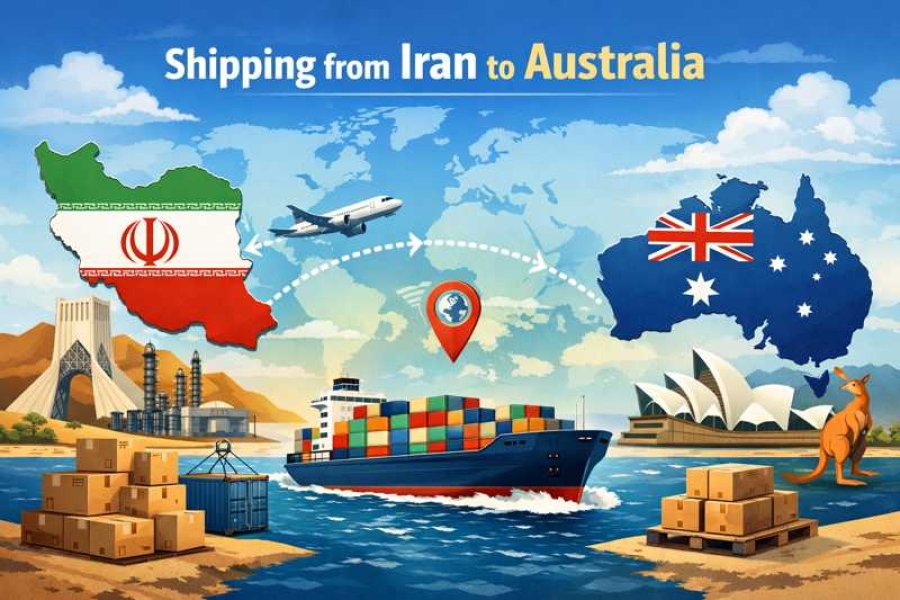
Shipping from Iran to Australia is a complex international route that requires careful planning due to long distances, multiple transshipment points, and strict regulatory requirements. Exporters, importers, and freight forwarders must coordinate transport modes—sea, air, or multimodal—while balancing cost, transit time, and cargo type.
Australia enforces rigorous biosecurity and import controls, and many goods require permits, inspections, and documentation through the BICON system. Exporters must also consider sanctions and compliance requirements relevant to certain cargo. Even minor errors in invoices, certificates, or labeling can trigger inspections, delays, or fines.
This route also presents challenges such as fluctuating transit times, port congestion, and specialized packaging for sensitive cargo. Careful planning, accurate documentation, and working with experienced logistics partners help ensure smooth shipments, reduce costs, and maintain compliance across the Iran–Australia trade corridor.
Best Shipping Methods from Iran to Australia
Shipping goods from Iran to Australia requires careful selection of the appropriate transport method. Each option—sea freight, air freight, or multimodal shipping—offers unique advantages and challenges depending on cargo type, cost constraints, and delivery timelines. This section helps exporters, importers, and freight forwarders evaluate the best choice for their shipments.
Sea Freight from Iran to Australia
An Iran to Australia sea freight service is the preferred choice for bulk, industrial, or non-urgent shipments. The main departure ports include Bandar Abbas and Chabahar, while major Australian arrival ports are Sydney, Melbourne, and Brisbane. Typical routes involve transshipment through Dubai, Singapore, or Port Klang, depending on carrier schedules.
Sea shipping through Iran supports Full Container Load (FCL) and Less Container Load (LCL) shipments. Breakbulk and project cargo options allow oversized or irregular items to travel safely. Careful planning ensures compliance with Australia biosecurity import conditions and BICON import permit Australia requirements, especially for food, timber, or agricultural products. Operational risks include port congestion, transit delays, and documentation errors.
Air Freight from Iran to Australia
Iran to Australia air freight service is ideal for high-value, perishable, or urgent goods shipped from Iran to Australia. Key departure airports are Tehran Imam Khomeini and Dubai International (for transshipment), while arrival hubs include Sydney and Melbourne. Iran air freight drastically reduces transit times but requires strict adherence to documentation and compliance with sanctions compliance shipping from Iran to Australia, as well as BICON import permit Australia for restricted items. Packaging must meet international air cargo standards, and hazardous or temperature-sensitive goods require special handling.
Multimodal Shipping from Iran to Australia
Iran multimodal shipping combines sea and air transport to optimize cost and delivery speed. For example, cargo may travel by sea from southern ports like Bandar Abbas to Dubai or Singapore, then by air to Australian ports. This method is useful for shipments too large for pure air freight but requiring faster delivery than full sea freight. Documentation must cover both modes, ensuring compliance with Australia biosecurity import conditions and sanctions regulations.
FCL vs LCL for Australia-Bound Cargo
FCL is cost-efficient for full container loads, while LCL allows smaller shipments to be consolidated. The choice depends on shipment size, cargo type, and urgency.
Breakbulk and Project Cargo Options
Oversized or non-standard cargo, such as machinery or construction equipment, can be shipped as breakbulk or project cargo. These require specialized handling, careful route selection, and compliance with both BICON import permit Australia and customs regulations.
Which Shipping Method Is Best for Your Cargo?
The optimal method depends on cargo type, urgency, budget, and compliance requirements. Collaborating with experienced freight forwarders familiar with the Iran to Australia trade route ensures smoother transit, mitigates risks, and maintains regulatory compliance across the entire supply chain.
|
shipping Method |
Best For |
Typical Transit |
Cost Level |
|
Sea Freight |
Bulk, industrial, non-urgent |
35–42 days |
Low–Medium |
|
Air Freight |
High-value, perishable, urgent |
3–7 days |
High |
|
Multimodal |
Large or semi-urgent shipments |
12–18 days |
Medium |
Transit Time from Iran to Australia
Estimating transit time is a critical part of planning Iran to Australia freight. Accurate timelines help exporters, importers, and freight forwarders coordinate delivery schedules, manage inventory, and reduce operational risks.
Sea Freight Transit Time
Standard FCL shipments take approximately 35–42 days, depending on the carrier and transshipment hubs in Dubai, Singapore, or Port Klang. LCL shipments can add an extra 3–5 days for consolidation. Breakbulk cargo or project shipments may take 45–55 days due to additional handling requirements.
Air Freight Transit Time
Air freight provides the fastest delivery for cargo transport from Iran to Australia. Direct flights from Tehran Imam Khomeini Airport are limited; most shipments transit through hubs like Dubai or Doha. Typical air transit takes 3–7 days, including handling and customs clearance. Express services can shorten delivery to 2–3 days for high-priority shipments. Packaging, cargo type, and airline schedules affect actual transit times.
Multimodal Transit Time
In most cases, transit time falls between standard sea freight and air freight, but the exact delivery window can vary significantly depending on the origin port, transshipment hub, airline connection, cargo type, documentation readiness, and customs or biosecurity inspections. Because this method involves more than one transport mode, timing is often less predictable than direct air freight and more flexible than full ocean shipping.
What Causes Delays on This Route?
Several factors can extend delivery time for Iran–Australia shipping services:
- Port congestion at Iranian or Australian ports
- Delays in transshipment hubs
- Incomplete or inaccurate documentation
- Compliance with Australia biosecurity import conditions and BICON import permit Australia
- Adverse weather or seasonal shipping peaks
How to Estimate a Realistic Delivery Window
To plan effectively, exporters should:
- Add 3–5 extra days to standard transit times for customs clearance and inspections.
- Consider cargo type and packaging requirements.
- Factor in sanctions compliance shipping from Iran to Australia, which can introduce additional review periods.
- Coordinate with experienced freight forwarders to account for variable conditions across different carriers and ports.
By understanding these timelines, businesses can provide accurate delivery estimates, optimize supply chain operations, and reduce unexpected delays for Iran–Australia trade shipments.
|
Shipping Method |
Typical Transit Time |
|
Sea Freight from Iran to Australia |
35–42 days (FCL), 38–47 days (LCL), 45–55 days (Breakbulk/Project) |
|
Air Freight from Iran to Australia |
3–7 days standard, 2–3 days express |
|
Multimodal Shipping from Iran to Australia |
Between sea and air freight (approx. 12–18 days) |
What Goods Are Commonly Shipped from Iran to Australia?
The trade basket between the two countries is diverse, ranging from industrial machinery to agricultural products, and often reflects both commercial demand and regulatory considerations.
Agri-food and plant-based products
Based on Trading Economics Goods shipped from Iran to Australia are led by food and plant-based products. Based on 2025 trade data, Australia imported US$23.63 million from Iran, and the largest share came from the agri-food basket, which accounted for about 66.3% of total imports. The biggest single category was edible fruits, nuts, citrus peel and melons at US$7.76 million (32.8%), followed by vegetable, fruit and nut preparations at US$2.91 million (12.3%) and coffee, tea, mate and spices at US$1.53 million (6.5%). This makes food-related cargo the dominant segment in current exports from Iran to Australia.
Carpets and textile floor coverings + stone, plaster, cement
The second major category is carpets and textile floor coverings, valued at US$2.62 million, or roughly 11.1% of the total. This is followed by stone, plaster, cement and similar materials at US$2.34 million, equal to about 9.9%. Together, these categories show that the corridor is not limited to food; it also supports traditional manufactured goods and building-related cargo that typically moves by sea freight in containerized or specialized loads.
Industrial machinery
A smaller but still commercially relevant share comes from industrial, machinery and technical goods. Grouped together, machinery and boilers, pharmaceuticals, articles of iron or steel, optical and medical apparatus, plastics, inorganic chemicals and aluminium account for about 7.8% of the total trade value. So while machinery does move on this route, it is not the leading category in value terms.
|
category |
2025 value (US$) |
Share of total imports |
|
Agri-food and plant-based products |
15.66M |
66.3% |
|
Carpets and textile floor coverings |
2.62M |
11.1% |
|
Stone, plaster, cement and similar materials |
2.34M |
9.9% |
|
Industrial, machinery and technical goods |
1.85M |
7.8% |
|
Other smaller categories |
— |
4.9% |
Required Documents for Shipping from Iran to Australia
In cargo transport from Iran to Australia, preparing and submitting the correct export documents is crucial to avoid delays, fines, or even the return of your shipment. The required documents are reviewed both by Iranian customs authorities for export clearance and by Australian authorities for import and customs clearance. Below, we explain the key documents you need in a clear and practical way.
Commercial Invoice
A Commercial Invoice is one of the most important documents required for shipping from Iran to Australia and is used in customs clearance for shipping from Iran to Australia. It lists your company (seller), the consignee (buyer), a detailed description of the goods, quantity, unit price and total value. Australian customs use this information to calculate duties and taxes, so accuracy and consistency with your sales contract are essential.
Packing List
The Packing List provides a breakdown of how your cargo is packed, showing itemized contents, package count, dimensions, and gross & net weights. This is critical in Iran to Australia freight operations and helps customs and freight carriers verify the physical cargo against your declared documents.
Bill of Lading or Air Waybill
For cargo transport from Iran to Australia, the transport document differs by mode: a Bill of Lading (B/L) for sea freight or an Air Waybill (AWB) for air freight. These confirm receipt of goods by the carrier and are required for cargo release at Australian ports or airports.
Certificate of Origin
A Certificate of Origin proves that the goods were manufactured or processed in Iran. It often determines tariff treatment and supports compliance during customs clearance for shipping from Iran to Australia.
Insurance Certificate
An Insurance Certificate shows that your shipment is insured against loss or damage while in transit. This document is typically part of export documentation for high-value or commercial cargo.
Health, Phytosanitary, and Product-Specific Certificates
If you’re shipping agricultural, food, plant-based, or other regulated goods, you’ll need relevant health or phytosanitary certificates. Australia has strict biosecurity and product safety rules, so these certificates must be obtained before the shipment departs Iran.
Extra Documents for Regulated or Project Cargo
Some shipments — like industrial machinery, project freight, or controlled products — may require additional permits, technical certificates, or special licences. Always check specific regulations early in the planning stage
Ustralia Biosecurity Rules and BICON Requirements
Australia maintains some of the strictest biosecurity import conditions in the world to protect its unique environment, agriculture, and public health. The BICON (Biosecurity Import Conditions) system is the official online platform that regulates over 20,000 types of products, providing guidance on whether a product can be imported, what permits are required, and any treatment or documentation obligations. Importers must consult BICON before shipping goods, particularly for high-risk categories such as food, timber, plant-based products, wooden packaging, and agricultural items.
BICON also outlines food safety requirements, inspection procedures, and specific conditions for regulated goods, ensuring compliance with Australia’s strict environmental and health standards.
Understanding these rules is essential for exporters and freight forwarders managing Australia-bound shipments, providing both operational certainty and legal protection.
Customs Clearance for Shipping from Iran to Australia
Customs clearance applies to all commercial cargo entering Australia. For commercial shipments, a customs clearance service helps coordinate the Import Declaration, tariff classification, customs value, and the transport documentation required for release.
When goods arrive by sea, air, or post with a customs value above AUD 1,000, the importer or their licensed customs broker must lodge an Import Declaration (N10) with the Australian Border Force (ABF) before the goods can be released for home consumption; this declaration captures important details such as tariff classification, customs value, and the transport documentation required for clearance.
Once an import declaration is lodged, ABF assesses relevant duties, Goods and Services Tax (GST), and any import processing charges that apply; for consignments over AUD 1,000, these charges can include both duty and GST, and processing fees starting from around AUD 50 depending on how the declaration is lodged. In addition to tax and duty, biosecurity inspections or additional charges may apply based on product risk profiles.
Sanctions Compliance and Restricted‑Goods Risk
Australian law enforces UN and autonomous sanctions that restrict arms, dual-use technologies, industrial equipment, and other sensitive goods. Shipments must be screened by product type, end user, and intended use, and routing and payment methods must avoid indirect sanction breaches. High-risk categories, including advanced machinery, restricted chemicals, and dual-use components, are subject to increased scrutiny.
Packaging, Labeling, and Cargo Preparation
Effective packaging for shipping to Australia is critical for long-distance shipments from Iran. Proper cargo preparation minimizes the risk of damage, moisture ingress, and container shifting during transit.
- Wooden packaging must meet treatment and phytosanitary standards to comply with Australia’s BICON requirements
- Labels should exactly match shipping documents, including invoice, packing list, and transport papers.
Poor packing increases the likelihood of delays, inspection holds, and additional costs due to rework or rejected cargo. Ensuring robust packaging, moisture protection, and document alignment is essential to maintain integrity, streamline clearance, and reduce operational risks for cargo preparation Iran Australia shipments.
Cost of Shipping from Iran to Australia
Actual Iran to Australia shipping cost varies widely by transport mode and cargo size.
- For sea freight, ocean rates for containerized cargo to Australian ports typically fall in the range of about US$1,350–US$2,300 for a 20ft FCL and US$2,300–US$3,500 for a 40ft FCL, according to recent all‑in ocean freight rate indexes for 2025–2026.
- Air freight remains significantly more expensive — often several times the cost of sea freight — depending on weight and urgency.
On top of freight charges, Australian imports incur duties, GST, and import processing charges applied by ABF once goods clear customs. Importers should also consider a cargo insurance service for high-value, fragile, or commercially sensitive cargo.
Get Expert Help with Shipping from Iran to Australia
Shipping from Iran to Australia involves many moving parts — from documentation and customs clearance to route planning and compliance. Don’t navigate it alone: partner with SASCO, a professional freight forwarder experienced in Iran–Australia trade shipments. Their team can help you prepare documents, choose the best transport method, and avoid costly delays. Ready to streamline your logistics?
? Contact SASCO today at to get personalized assistance and ensure your cargo moves smoothly from Iran to Australia.
Frequently Asked Questions
How long does shipping from Iran to Australia typically take?
Shipping from Iran to Australia usually takes three to seven days by air and about 35 to 42 days by sea, depending on the route and transshipment points.
What documents are required for shipping from Iran to Australia?
Exporters must provide a commercial invoice, packing list, transport document, and any permits required for regulated goods.
What is the cheapest method for shipping from Iran to Australia?
Sea freight is generally the most cost-effective option for most types of cargo traveling from Iran to Australia.
Which goods are most commonly shipped from Iran to Australia?
Common shipments include agri-food products, carpets, machinery, and industrial goods destined for Australia.
Do all goods shipped from Iran to Australia require an import permit?
Not all shipments need a permit, but high-risk goods like plant products, timber, or restricted items do.