


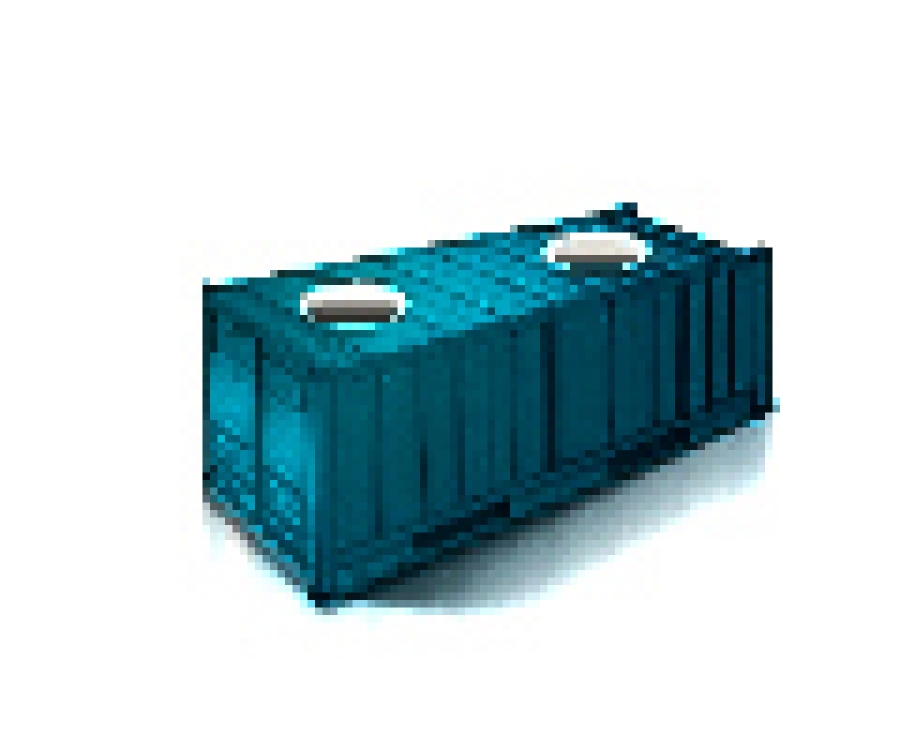
20' Bulk Container Specifications
| Specification | Value |
|---|---|
| Inside Length | 5.934 m |
| Inside Width | 2.358 m |
| Inside Height | 2.340 m |
| Door Width | 2.335 m |
| Door Height | 2.292 m |
| Capacity | 32 m3 |
| Tare Weight | 2,450 kg |
| Maximum Cargo Weight | 21,550 kg |
These values are general references. Dimensions, hatch arrangements, and payload limits may vary by manufacturer, carrier, and individual unit.
Loading and Unloading Features
Dry bulk cargo is normally introduced through the roof hatches using suitable loading equipment. Discharge may take place through dedicated outlet hatches near the doors, with the method depending on the cargo, terminal equipment, gravity flow, and operational procedure. Before loading, the condition and sealing of all hatches should be checked.
Common Dry Bulk Cargo
A 20ft bulk container may be used for grain, feedstuffs, seeds, spices, granules, and suitable dry powders. The commodity must be compatible with the container lining, hatch system, cleaning standard, and intended unloading method.
Bulk cargo movements may be coordinated through sea freight services where carrier acceptance and suitable loading and discharge facilities are available.
Bulk Container vs Standard Container
A 20' standard container is mainly designed for packaged or palletized dry cargo loaded through the end doors. A bulk container is intended for loose dry commodities and provides roof loading hatches and dedicated discharge features.
A bulk container should not be confused with a 20' tank container. Bulk containers carry dry loose cargo, while tank containers are designed for compatible liquid cargo.
Important Notes
Cleanliness is critical because residues from a previous load may contaminate the next commodity. The container should be inspected for dryness, odour, corrosion, hatch integrity, and evidence of previous cargo. Moisture control is also important, particularly for grain, feed, spices, seeds, and powders that may be damaged by condensation or water ingress.
Cargo properties such as flowability, dust generation, food-grade requirements, contamination sensitivity, and unloading behaviour should be reviewed before booking.
For equipment selection and shipment planning, you can contact SASCO or request a shipping quotation by providing the commodity, quantity, origin, destination, and loading and discharge requirements.
Frequently Asked Questions
What is a 20' bulk container used for?
It is used for suitable dry bulk cargo such as grain, feedstuffs, seeds, spices, granules, and powders.
What type of cargo can be shipped in a bulk container?
Only compatible dry loose commodities that can be safely loaded, contained, and discharged through the container hatch system should be considered.
Is a bulk container used for liquid cargo?
No. Liquid cargo normally requires a suitable tank container rather than a dry bulk container.
How are bulk containers loaded and unloaded?
They are generally loaded through roof hatches and discharged through dedicated outlet hatches near the doors, subject to the equipment design and cargo-handling procedure.