


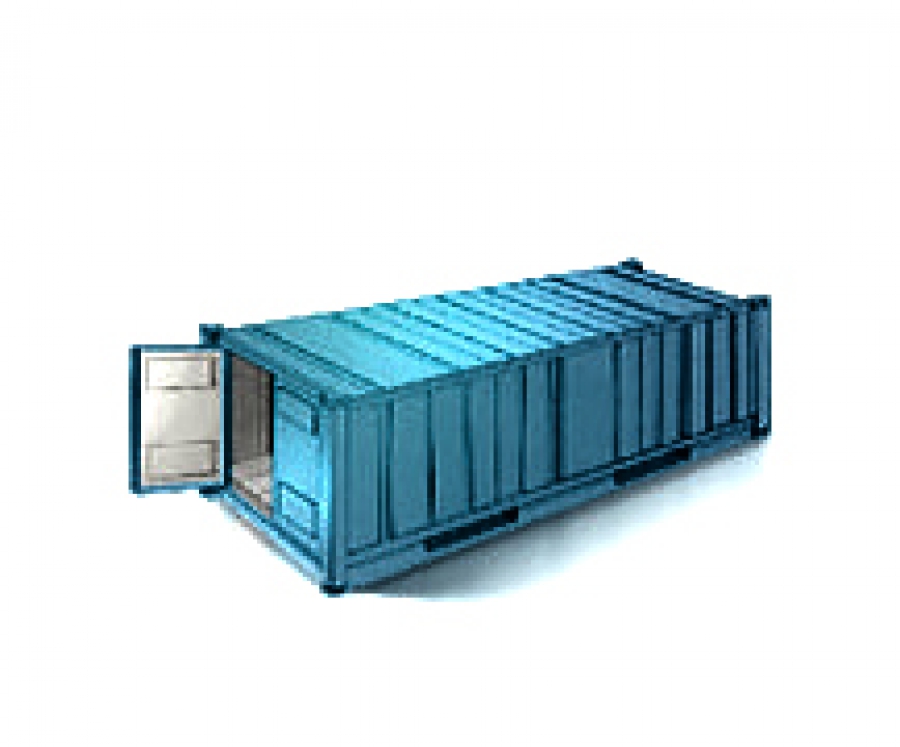
20' Reefer Container Specifications
| Specification | Value |
|---|---|
| Inside Length | 5.724 m |
| Inside Width | 2.286 m |
| Inside Height | 2.014 m |
| Door Width | 2.286 m |
| Door Height | 2.067 m |
| Capacity | 26 m3 |
| Tare Weight | 2,550 kg |
| Maximum Cargo Weight | 21,450 kg |
These figures are general reference values. Actual dimensions, payload limits, temperature capabilities, and equipment features may vary according to the manufacturer, carrier, refrigeration unit, and individual container.
Common Temperature-Controlled Cargo
A 20' refrigerated container may be used for chilled or frozen food, fruit and vegetables, meat, seafood, dairy products, pharmaceutical products, flowers, confectionery, and other temperature-sensitive cargo. The required temperature, humidity, ventilation, and handling conditions depend on the specific commodity.
These shipments may form part of a wider cold chain logistics process involving reefer planning, documentation, inland refrigerated transport, customs coordination, and controlled handovers between transport stages.
How Reefer Containers Work
The refrigeration unit circulates conditioned air through the container to maintain the selected carrying temperature. The external temperature display and control panel allow the operating settings and unit status to be checked. Depending on the equipment, additional monitoring may include supply-air temperature, return-air temperature, humidity, ventilation settings, and alarm records.
Reefer containers are generally designed to maintain cargo at the required carrying temperature rather than rapidly cool warm products after loading. Temperature-sensitive cargo should therefore normally be prepared and pre-cooled according to the commodity requirements before stuffing.
20' vs 40' Refrigerated Container
The main difference between a 20' reefer and a 40' refrigerated container is internal cargo volume. The 20ft unit is more suitable for smaller shipments, limited cargo quantities, or loads where the compact equipment size is operationally useful.
A 40ft reefer provides more internal capacity and may be more economical for larger-volume cold chain shipments. The correct choice should be based on cargo quantity, packaging, airflow requirements, total weight, route, and equipment availability rather than size alone.
Important Notes
Before loading a 20' refrigerated container, the required set point, acceptable temperature range, product temperature, packaging, ventilation, humidity requirements, and loading pattern should be confirmed. Cargo must not block the designed airflow channels, and packages should be arranged to allow conditioned air to circulate through or around the load.
The reefer unit should be inspected before use, and power availability must be coordinated during port handling, sea transport, terminal storage, and inland delivery. For refrigerated ocean shipments, see SASCO's sea freight services.
For reefer selection and temperature-controlled shipment planning, you can contact SASCO or request a shipping quotation by providing the commodity, cargo quantity, required temperature, packaging, origin, destination, and delivery conditions.
Frequently Asked Questions
What is a 20' refrigerated container used for?
It is used for smaller-volume temperature-sensitive cargo such as chilled food, frozen products, pharmaceuticals, fresh produce, seafood, dairy products, and other perishables.
What is another name for a refrigerated container?
A refrigerated container is commonly called a reefer container.
Can a reefer container carry frozen cargo?
Yes. A suitable reefer can carry frozen cargo when the required temperature is within the equipment operating range and the cargo is correctly prepared, packed, loaded, and monitored.
What should be checked before shipping temperature-sensitive cargo?
The required temperature, product condition, packaging, ventilation, humidity, airflow, loading pattern, equipment inspection, power supply, route, and monitoring requirements should be checked.